Cold and Flu Season at School: How to Help Your Child Stay Healthy
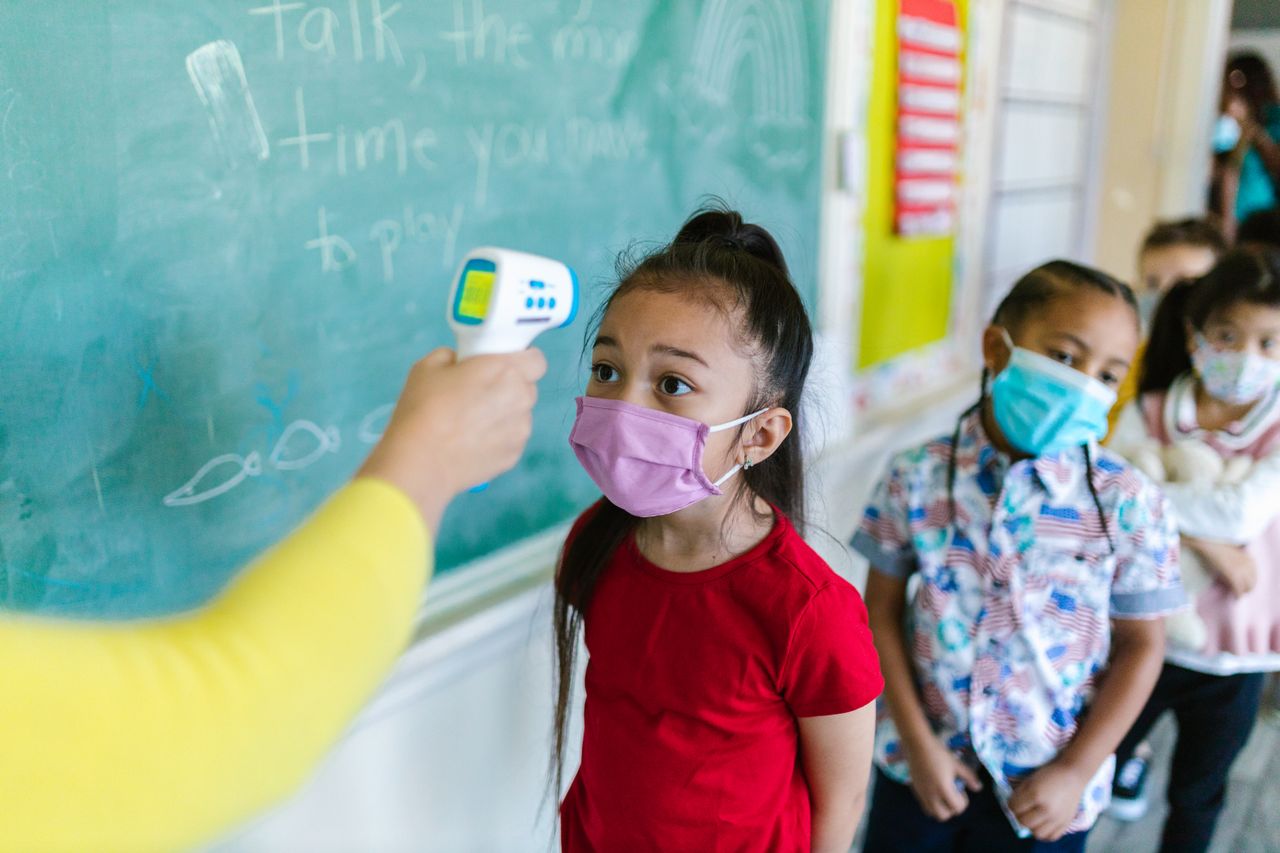

As the weather turns colder, classrooms start to fill with sniffles and coughs. Children sit close together, share pencils and tables, and spend more time indoors, so colds and flu travel quickly from one student to the next.
No routine keeps every germ away, but a few steady habits at home lower the chances of your child catching something, and make it easier to recover when a bug does come home. Here is a simple plan for the months ahead.
Make Handwashing a Habit
Clean hands are a simple, effective way to cut down on the germs children pick up at school. The CDC recommends washing with soap and water for at least 20 seconds, about the time it takes to hum "Happy Birthday" twice.
Help your child build the habit at the moments that matter most:
-
Before eating lunch or a snack
-
After using the restroom
-
After recess and gym class
- As soon as they get home from school
When soap and water aren't available, a hand sanitizer with at least 60% alcohol is a useful backup. If your school allows it, a small bottle clipped to a backpack makes it easy to use before lunch.
Teach Simple Germ Manners
Children learn these habits quickly when they hear them often:
-
Cough or sneeze into an elbow, not a hand
-
Use a tissue once, throw it away and then wash hands
-
Keep hands away from eyes, nose and mouth as much as possible
-
Don't share water bottles, utensils or lip balm, even with close friends
A labeled water bottle helps with that last one, and it keeps your child drinking water through the school day.
Protect Sleep and Routines
A rested body is better at fighting off infections. The American Academy of Sleep Medicine recommends 9 to 12 hours of sleep a night for children aged 6 to 12, and 8 to 10 hours for teens aged 13 to 18.
A few habits help children get there:
-
Keep bedtime consistent, including on most weekends
-
Switch off screens about an hour before bed
-
Start the day with breakfast so your child has energy for the morning
-
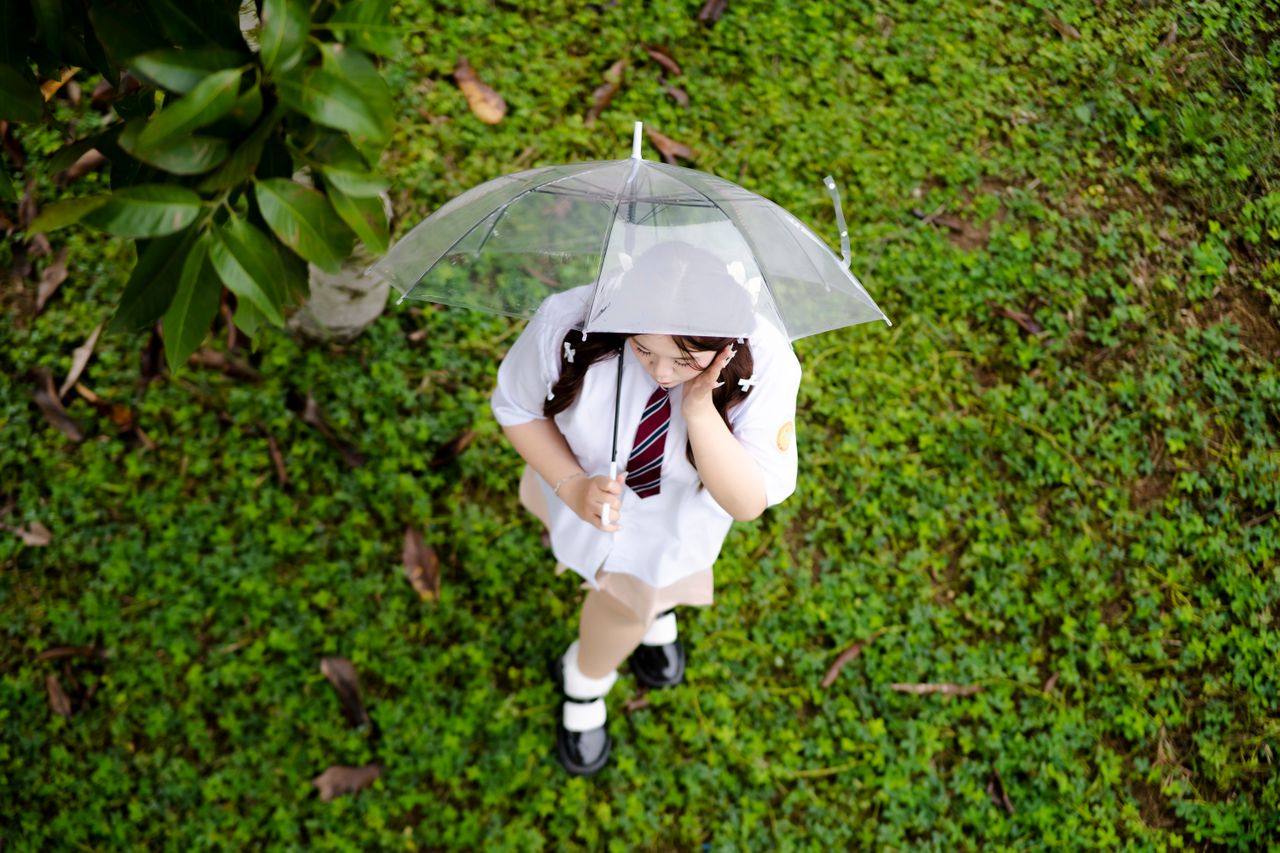
Lay out the uniform the night before, which makes school mornings calmer and keeps
your child on schedule
Dress for the Weather, Inside and Out
Classrooms can be warm one hour and chilly the next, and recess in November can be cold. Layers let your child adjust through the day without missing a step:
-
A long-sleeve polo or blouse as the base layer
-
A cardigan, sweater or uniform fleece that comes off easily in a warm room
-
Tights or leggings under skirts and jumpers, where your school's dress code allows
them
-
A warm coat, hat and gloves for the walk to school and for recess
Check your school's uniform policy before buying outer layers, since many schools specify colors or styles for sweaters and fleeces.
Keep Uniforms Clean During Sick Season
Uniforms are worn close to the skin all day, so a little extra attention during cold and flu season goes a long way:
- Wash shirts and blouses after each wear
- Wash sweaters and cardigans more often than you would the rest of the year, following the care label
- Dry everything thoroughly before it goes back in the drawer
- Wipe down water bottles and lunch boxes each evening, and wash backpacks every few weeks
Having enough uniform pieces to rotate makes this much easier. With a spare set, a clean shirt is ready every morning, even in a week when someone at home is sick.
Talk With Your Doctor About the Flu Vaccine
The CDC recommends a yearly flu vaccine for everyone aged 6 months and older. Fall is a good time to schedule it, along with any other checkups your child is due for. Your pediatrician can answer questions about what is right for your child.
Know When to Keep Your Child Home
Even with good habits, children do get sick. Keeping a sick child home helps them recover and protects classmates and teachers. Many schools ask parents to keep children home when they have:
-
A fever, until they have been fever-free for 24 hours without fever-reducing medicine
-
Vomiting or diarrhea
-
A cough or sore throat that keeps them from taking part in class
- Low energy, if they are too tired to get through the school day
Every school has its own illness policy, so it is worth reading yours before the season gets busy. If you are unsure whether your child should go in, a call to your pediatrician can help.
Plan Ahead for Sick Days
Sick days are easier when the plan is already in place:
-
Line up backup childcare with a relative, friend or neighbor
-
Know how your school shares missed work, whether through an online portal or the teacher
- Keep a small supply at home of tissues, a thermometer and the medicines your doctor recommends
A Healthy Season Starts at Home
Cold and flu season is part of every school year, but simple habits make a real difference: clean hands, good sleep, warm layers and clean uniforms. With a little planning, your family can spend more of the winter in the classroom and less of it on the couch.
Need an extra cardigan or a spare set for the season? Shop sweaters, polos, blouses and more at metroschooluniforms.com, or email info@metroschooluniforms.com.