School Uniform Sizing Guide: How to Get the Right Fit

Buying school uniforms is easier when you know the size before you order. The right fit means fewer returns, a more comfortable child, and uniforms that look neat from the first day. This sizing guide walks you through how to measure, how to read a size chart, and how to leave a little room to grow.
Why Getting the Size Right Matters
A uniform that fits well is comfortable to wear all day, holds its shape, and looks tidy. One that is too small gets outgrown quickly, and one that is too large can look sloppy and get in the way. Measuring first helps you land in the right range the first time.
How to Measure Your Child
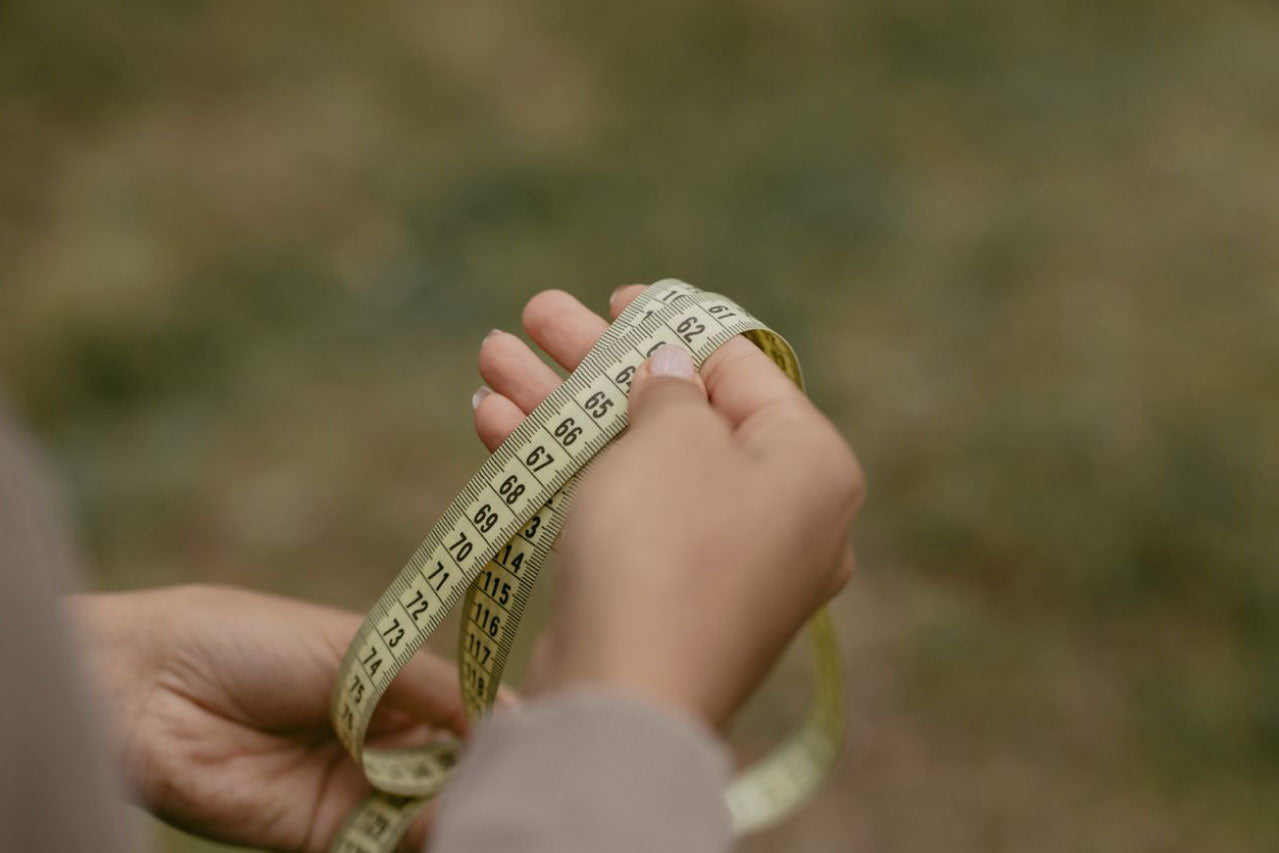
You only need a soft tape measure and a few minutes. Measure over light clothing for accuracy:
- Chest: around the fullest part, under the arms
- Waist: around the natural waistline, where pants usually sit
- Hips: around the fullest part
- Inseam: from the top of the inner leg down to the ankle
- Height: standing straight against a wall
Write the numbers down so you can compare them to the size chart.
How to Read a Size Chart
Most uniform sizing is based on these measurements rather than age alone, since children of the same age vary widely. Match your child's measurements to the chart, and when they fall between two sizes, size up rather than down. Our product pages include a size chart for each item to make this simple.
Room to Grow, Without Going Too Big
It is tempting to buy large so the uniform lasts longer, but a uniform that is too big looks untidy and can be uncomfortable. A small amount of room to grow is sensible. Look for a fit that is comfortable now, with a little length to spare in sleeves and hems.
Fit Tips by Piece
-
Shirts and polos: room to move at the shoulders, not tight across the chest
-
Pants: comfortable at the waist, with length that reaches the top of the shoe
-
Skirts and jumpers: check the waist first, then the length against the school's guidelines
-
Sweaters and outerwear: roomy enough to layer over a shirt
- Growing kids: adjustable waistbands and hems that can be let down add wear time
When You Are Between Sizes
If your child sits between two sizes, think about how soon they tend to grow and how the item is worn. For everyday tops, sizing up gives a bit more wear. For fitted items, the closer size usually looks better. When in doubt, our team is happy to help you choose.
A few minutes with a tape measure saves time, returns, and guesswork later.
Need help finding the right size? Browse our size charts and shop school uniforms at
metroschooluniforms.com, or email info@metroschooluniforms.com and we will help you get the fit right.